
Lowering blood pressure without medication is often achievable with a structured combination of lifestyle changes. The strongest evidence supports diet, exercise, and weight management, and these steps can reduce blood pressure by amounts that are clinically meaningful, including up to 11 mm Hg with the DASH diet, about 5 to 8 mm Hg with regular aerobic exercise, and about 1 mm Hg for each kilogram of weight lost.
That’s the part many people find surprising. Blood pressure doesn’t always improve because of one dramatic change. It often improves because several targeted habits start working together. A better eating pattern lowers sodium load and improves mineral balance. Regular movement changes vascular tone. Weight loss reduces strain on the cardiovascular system. Better sleep, less alcohol, and steadier routines make those gains easier to hold.
The mistake I see most often is treating high blood pressure like a willpower problem. It’s not. It’s a systems problem. People try random tips, stop after a few weeks, and assume “natural” methods don’t work. What works better is a monitored plan with a small number of priorities, a way to measure progress, and enough follow-up to adjust when the first approach doesn’t fit your body or schedule. If you want broader context on why blood pressure matters over the long term, these insights on blood pressure for longevity are a useful companion read.
Table of Contents
- Your Path to Lower Blood Pressure Naturally
- Foundational Dietary Strategies for Blood Pressure Control
- Building an Effective Exercise and Weight Loss Plan
- Essential Lifestyle Adjustments for Healthy Blood Pressure
- How to Accurately Monitor Your Blood Pressure at Home
- When to Partner with a Doctor for Blood Pressure Management
- Frequently Asked Questions About Natural Blood Pressure Reduction
- How long does it take to lower blood pressure without medication
- Can I stop my blood pressure medicine if I start exercising and eating better
- Are supplements enough to control high blood pressure
- Does caffeine always raise blood pressure
- What if I do everything right and my blood pressure is still high
Your Path to Lower Blood Pressure Naturally
Many individuals don’t need more advice. They need a sequence.
If you’re trying to figure out how to lower blood pressure without medication, start with four levers that consistently matter: food quality, sodium intake, physical activity, and body weight. Then add the habits that help those changes stick, especially sleep, alcohol moderation, and home blood pressure monitoring.
A useful plan is simple enough to follow on a busy week and specific enough to measure. That means choosing one eating pattern instead of “trying to eat healthier.” It means scheduling exercise instead of hoping to be more active. It means checking blood pressure at home in a repeatable way instead of relying on occasional readings taken when you’re rushed, stressed, or in pain.
Practical rule: Don’t overhaul everything on day one. Keep the structure broad, but make the first two weeks narrow and repeatable.
Here’s what usually works better than scattered effort:
| Priority | What to do | Why it matters |
|---|---|---|
| Food | Follow a DASH-style eating pattern and cut back on high-sodium processed foods | Diet has one of the strongest non-medication effects on blood pressure |
| Activity | Build consistent aerobic movement and add simple strength or isometric work | Exercise improves blood vessel function and supports weight control |
| Weight | Focus on steady loss if you’re carrying excess weight | Even modest loss can help lower blood pressure |
| Monitoring | Track readings at home and log patterns | You can’t personalize a plan without feedback |
This isn’t about perfection. It’s about giving your body the conditions that let blood pressure improve, then watching closely enough to see which lever moves your numbers most.
Foundational Dietary Strategies for Blood Pressure Control
Diet can lower blood pressure faster than many patients expect, but only if the plan is specific enough to follow and simple enough to repeat. The goal is not to collect random “healthy” foods. The goal is to use a tested eating pattern, track how your numbers respond, and adjust it with your primary care clinician if the plan is not fitting your kidney function, diabetes care, or weight goals.
Why DASH comes first
The DASH diet has some of the best evidence we have for lowering blood pressure with food. A thorough analysis ranked it as the most effective non-pharmacological intervention for blood pressure reduction, and it can reduce high blood pressure by up to 11 mm Hg when followed consistently, according to this DASH diet evidence review.
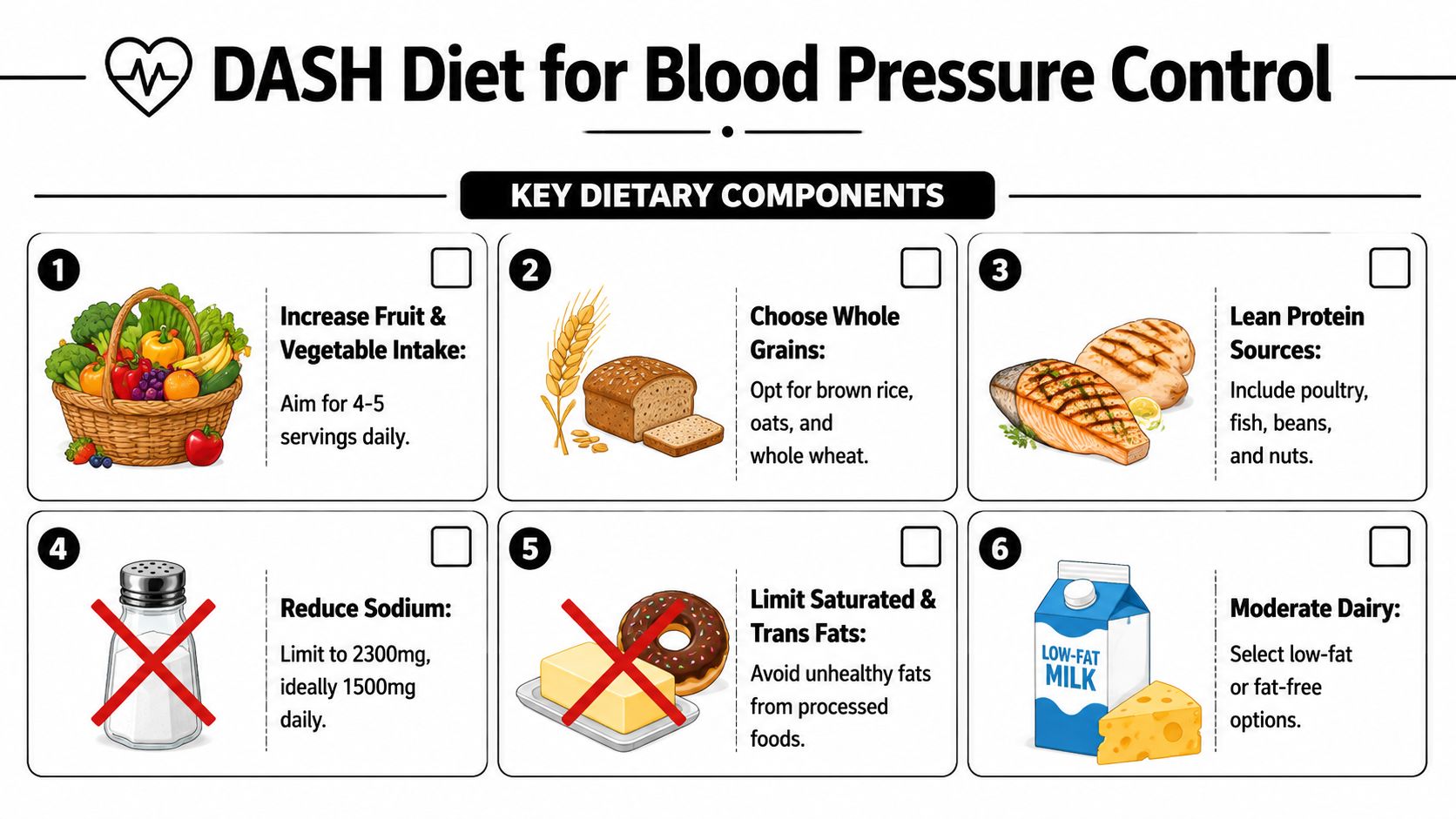
DASH works because it shifts the whole pattern of eating. More potassium-rich produce, more fiber, better mineral balance, and fewer heavily processed foods all push blood pressure in the right direction. In practice, that usually means whole grains, fruits, vegetables, low-fat dairy, beans, nuts, and lean proteins, with less fried food, processed meat, and packaged snack food.
I usually tell patients to stop trying to memorize nutrition theory and start with repeatable swaps:
- Breakfast swap: Sugary pastry to oatmeal with fruit and plain yogurt
- Lunch swap: Deli sandwich and chips to grilled chicken, brown rice, and vegetables
- Dinner swap: Fried entrée to baked fish, beans, greens, and a whole grain
- Snack swap: Salted packaged snacks to fruit, unsalted nuts, or cut vegetables
If you want help turning that into actual meals, a customized weekly DASH plan can make the transition easier.
How to reduce sodium without making food miserable
Sodium matters, but the useful strategy is not “never use salt again.” The useful strategy is cutting the biggest hidden sources first. The American Heart Association recommends aiming for no more than 2,300 mg a day, with an ideal limit of 1,500 mg a day for most adults, in its guidance on how sodium affects blood pressure.
That usually has less to do with the salt shaker and more to do with packaged and restaurant food. Common trouble spots include canned soups, frozen meals, sauces, deli meat, fast food, packaged breads, and savory snack foods. These foods can drive sodium intake up before dinner even starts.
The easiest way to lower sodium is to buy more foods that you season yourself.
Use this table when you shop:
| Instead of | Choose |
|---|---|
| Canned soup | Lower-sodium soup or homemade soup |
| Deli meat | Fresh cooked chicken, turkey, tuna, or beans |
| Frozen entrées | Simple proteins and vegetables you season yourself |
| Bottled sauces | Smaller amounts, lower-sodium versions, or herbs with lemon and garlic |
| Salt-heavy sides | Plain rice, oats, potatoes, or beans cooked at home |
There are trade-offs here. Food may taste bland for the first week or two if you have been eating a lot of sodium. That is temporary. Taste adjusts. Using acid, herbs, garlic, onion, pepper, and texture from fresh ingredients helps the transition.
This food pattern often improves more than blood pressure. It can also support cholesterol improvement and overall cardiovascular risk reduction. If that is part of your plan, this guide on how to improve cholesterol levels naturally pairs well with the same meal structure.
The key is to monitor the response, not assume every patient needs the exact same version of DASH. Some people need tighter sodium limits. Some need more attention to calories, protein, or blood sugar control. That is where a primary care partnership helps. We can review your home readings, labs, and current conditions, then fine-tune the diet so it is both safe and realistic.
Building an Effective Exercise and Weight Loss Plan
You do not need an extreme exercise routine to improve blood pressure. You need a routine you’ll still be doing next month.

Regular aerobic exercise can decrease blood pressure by about 5 to 8 mm Hg, and each kilogram of weight lost may reduce blood pressure by about 1 mm Hg, according to Mayo Clinic’s guidance on controlling high blood pressure without medication. That’s why exercise and weight management work so well together. Movement helps lower blood pressure directly, and it also makes sustained weight loss more realistic.
What kind of exercise works best
The foundation is aerobic activity. Walking, cycling, swimming, jogging, and dancing all count. The usual target is 150 minutes per week, but the right starting point depends on your current condition. If you’ve been sedentary, start smaller and build.
Weight loss also doesn’t need to be dramatic to matter. A modest reduction can produce a meaningful drop in blood pressure. That’s why I usually recommend building the plan around repeatable weeks, not aggressive short bursts.
The most useful forms of movement are:
- Steady aerobic exercise: Best for most beginners because it’s accessible and easy to track.
- Short higher-intensity intervals: Helpful for people who already tolerate exercise well and want a time-efficient option.
- Isometric work: Wall sits, planks, and similar holds can support blood pressure goals when added sensibly.
If exercise leaves you wiped out for two days, the plan is too hard. The best blood pressure routine is the one your body lets you repeat.
For people who need accountability, coaching, or a more medical approach to weight reduction, doctor-guided support can make the process much safer and more consistent. If that’s your situation, these doctor-supervised weight loss programs show what a structured approach can include.
A practical weekly plan
Use this as a realistic starting template:
| Day | Focus |
|---|---|
| Monday | Brisk walk |
| Tuesday | Light strength work or wall sits, plus easy walking |
| Wednesday | Cycling, treadmill, or another aerobic session |
| Thursday | Recovery walk and mobility |
| Friday | Brisk walk |
| Saturday | Longer walk, bike ride, or swimming |
| Sunday | Easy movement and meal prep for the week |
If you need a visual guide to get moving, this short video can help frame what a practical routine looks like.
A few rules keep this section from falling apart. Put your workouts on the calendar. Choose one primary activity you don’t hate. Keep shoes, clothes, or equipment where friction is low. Don’t “make up” missed workouts with punishing sessions. That pattern leads to dropout.
Essential Lifestyle Adjustments for Healthy Blood Pressure
Small daily choices can keep blood pressure stuck higher than it needs to be, even when diet and exercise are improving. This is the part many patients miss. A good natural blood pressure plan is not a loose collection of tips. It is a monitored routine, adjusted over time, with your primary care doctor helping you spot what is helping and what is getting in the way.
Alcohol, smoking, and the habits that push pressure up over time
Alcohol deserves a direct review. For some patients, it is the reason home readings remain high despite better meals and regular walking. Cutting back can help, particularly if drinking has become a near-daily habit or portions have slowly increased over the years. The American Heart Association advises limiting alcohol because excess intake can raise blood pressure and make treatment harder to manage.
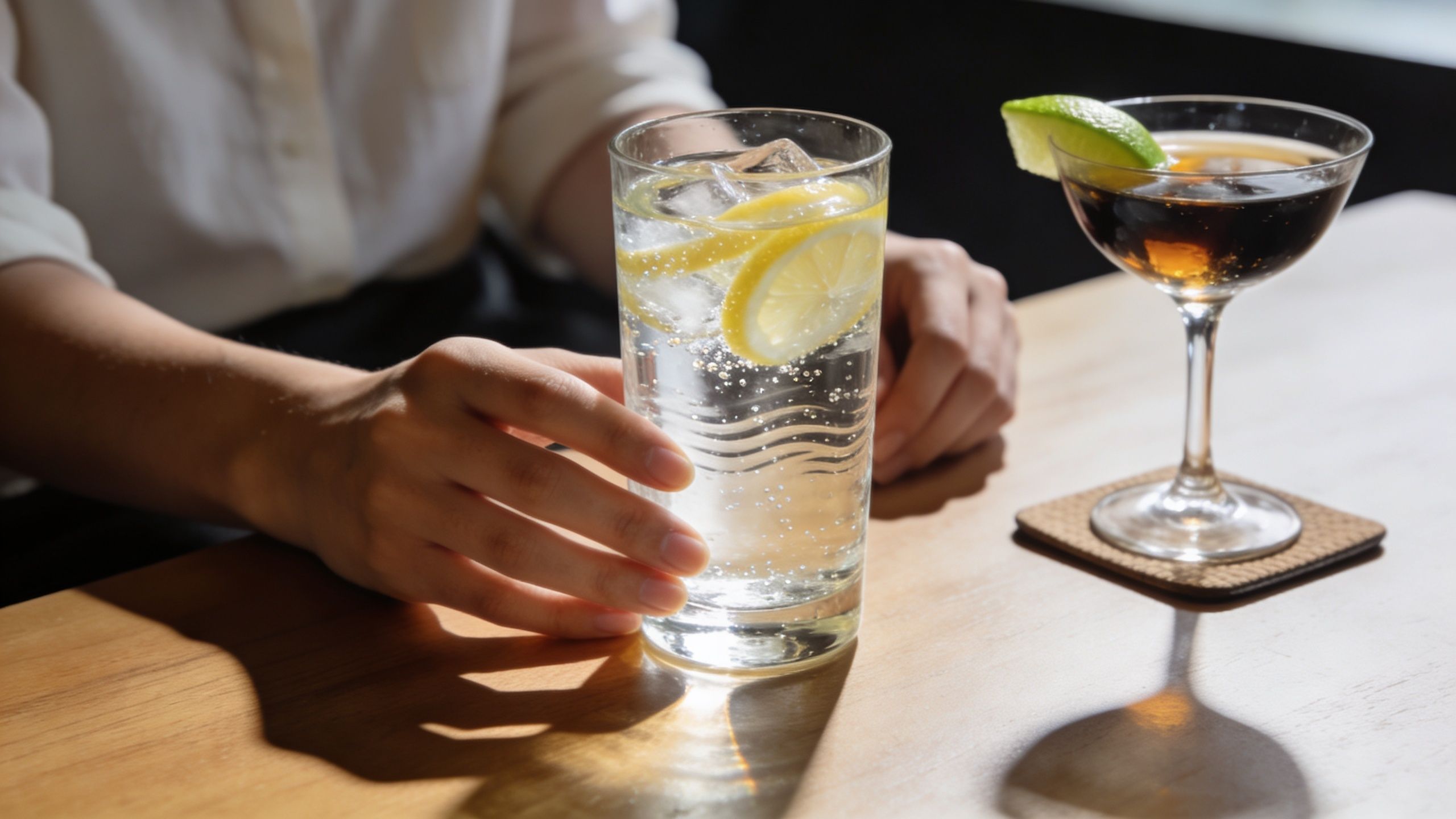
The hard part is that alcohol often feels moderate in the moment. A large pour at home can count as more than one drink. Weekend drinking can spill into Monday numbers. If blood pressure is running high, I usually tell patients to test the question instead of debating it. Cut alcohol down for a few weeks, track readings, and see whether the pattern improves.
Smoking and nicotine deserve even less negotiation. Cigarettes damage blood vessels, raise cardiovascular risk, and make the whole blood pressure picture worse. Vaping nicotine is not a free pass either. If you smoke or vape, quitting is one of the highest-value changes you can make for your heart and blood vessels.
A few practical moves work better than vague intentions:
- For alcohol: Set a weekly limit before the week starts, and keep several alcohol-free days.
- For smoking or vaping: Use quit lines, nicotine replacement, prescription support, or a formal cessation program.
- For routines that trigger both: Change the setting. If drinking starts in the same chair every night or smoking happens during the same commute, break that cue on purpose.
This is where follow-up matters. A primary care clinician can help you decide whether a habit is occasional, risky, or enough to change your blood pressure pattern, then match the plan to your history rather than giving generic advice.
Sleep and stress control
Sleep and stress shape whether the rest of the program holds together. Poor sleep raises stress hormones, increases appetite, and makes patients less likely to stick with exercise, meal planning, and alcohol limits. Chronic stress can produce the same pattern.
Some symptoms call for more than sleep hygiene. Loud snoring, witnessed pauses in breathing, morning headaches, and daytime exhaustion raise concern for sleep apnea. That condition often keeps blood pressure high until it is diagnosed and treated. This is one reason I do not treat fatigue and poor sleep as minor side issues in a blood pressure visit.
Start with a few changes you can repeat:
- Keep a regular sleep window: Go to bed and get up at about the same time each day.
- Protect the last hour before bed: Dim screens, stop work, and avoid heavy meals or stimulating conversations.
- Use a short reset during the day: Slow breathing, a brief walk, stretching, prayer, or guided relaxation can lower tension enough to prevent stress from driving the rest of the day.
- Get help for persistent stress: Counseling, behavioral therapy, or a structured mindfulness program can be more useful than trying to "push through."
If stress shows up as poor sleep, tension eating, irritability, or that wired-but-exhausted feeling, these lowering cortisol with MedEq Fitness wellness strategies may give you a few practical ideas to try.
Better blood pressure control often starts the night before.
How to Accurately Monitor Your Blood Pressure at Home
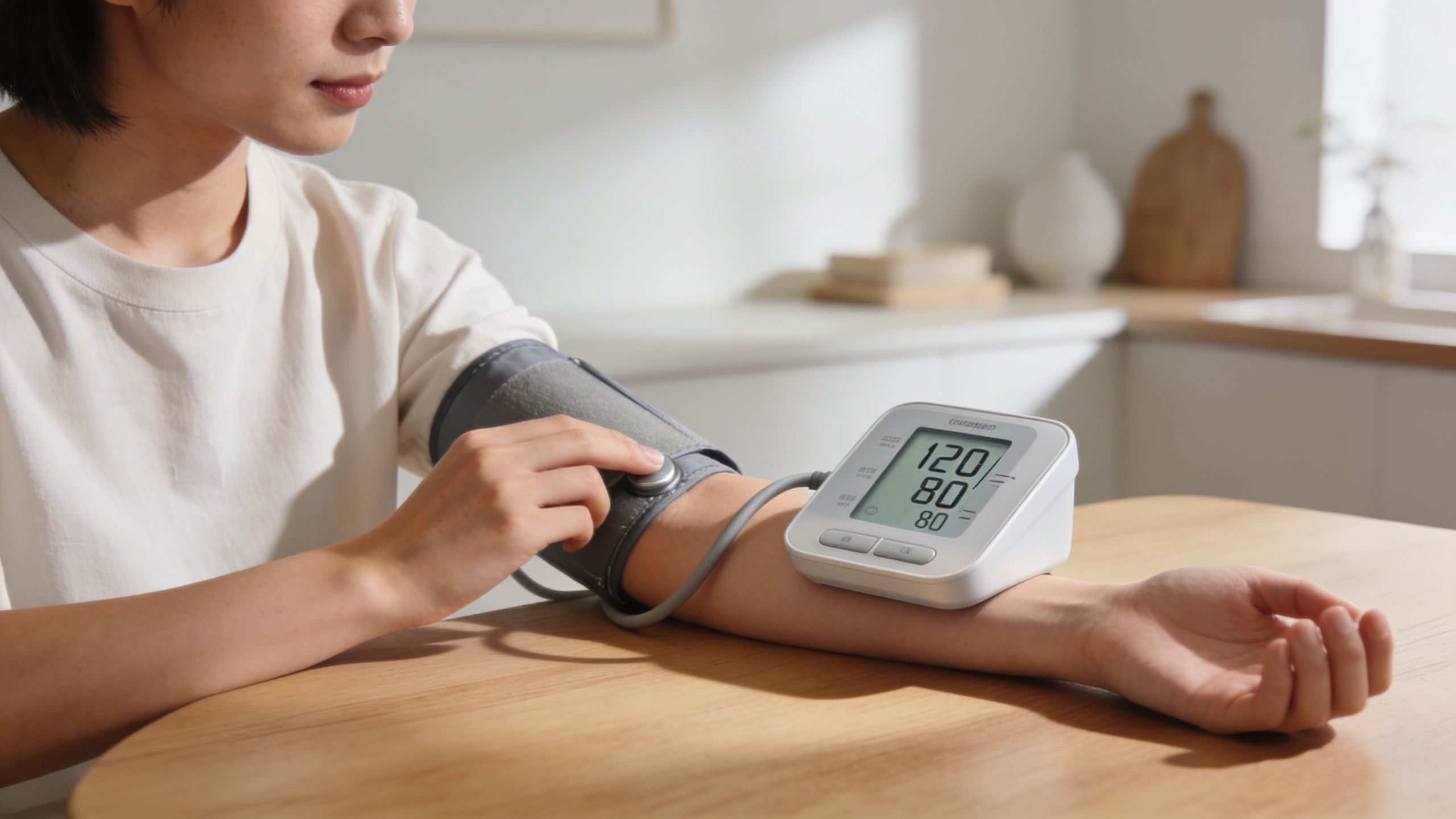
Home monitoring turns this from guesswork into a plan. It also helps separate a persistently high pattern from a one-off reading taken when you’re stressed, rushing, or in pain.
How to get a reading you can trust
A home monitor is only useful if you use it the same way each time. The biggest mistakes are talking during the reading, checking right after activity, using the wrong cuff size, or taking a number while sitting awkwardly at the edge of a chair.
Use this checklist:
- Sit first: Rest for a few minutes before measuring.
- Position matters: Keep your back supported and feet flat on the floor.
- Use the same arm: Consistency makes trends easier to interpret.
- Keep the cuff at heart level: Don’t let the arm hang down.
- Stay silent: Talking can distort the result.
- Take readings under similar conditions: Same chair, similar time, less noise.
Systolic pressure is the top number. Diastolic is the bottom number. What matters most at home is not one isolated reading but the pattern over time.
How to keep a useful log
A good blood pressure log is brief. It should include the reading, the time, and anything important that may affect interpretation, such as headache, poor sleep, stress, missed exercise, or alcohol the night before.
You can keep notes in a phone app, on paper, or in a simple spreadsheet. The format matters less than consistency.
A useful log usually includes:
| What to record | Why it helps |
|---|---|
| Date and time | Shows trends and timing patterns |
| Reading | Gives the core data |
| Symptoms | Adds context if numbers spike |
| Medication changes | Helps your clinician interpret swings |
| Lifestyle notes | Shows what may be helping or hurting |
Bring your home log to appointments. A careful two-week pattern is more helpful than a verbal estimate of “it’s been high lately.”
If your numbers remain high despite consistent effort, that’s not failure. It’s information. It means the next step should be more individualized.
When to Partner with a Doctor for Blood Pressure Management
Lifestyle changes can be powerful. They are not a substitute for medical judgment when the situation is unstable, severe, or unclear.
When self-management is not enough
Seek urgent care right away if your blood pressure is over 180/120 mm Hg or if high readings come with symptoms such as chest pain, shortness of breath, severe headache, weakness, confusion, or visual changes. Those situations need prompt evaluation, not a home experiment.
There are also quieter reasons to get help. Maybe your readings remain high despite a serious effort. Maybe exercise feels harder than it should. Maybe snoring, poor sleep, swelling, kidney issues, diabetes, or medication side effects are complicating the picture. Blood pressure rarely exists in isolation.
A doctor’s role here is not just to prescribe medication. It’s to look for the reason your pressure is high, identify what’s safe for you, and decide whether lifestyle treatment alone is enough.
Why personalization matters
One of the most important realities in hypertension care is that people respond differently to the same plan. The DASH diet can lower blood pressure by up to 11 mm Hg, but responses vary based on genetics, sodium sensitivity, and other factors, as noted in this discussion of individual variation in blood pressure response.
That variation is exactly why unsupported trial and error often wastes time. One person’s main issue is sodium sensitivity. Another person’s issue is excess weight. Another has sleep apnea, chronic stress, kidney disease, or a medication that raises pressure. A good plan matches the intervention to the patient in front of you.
This is also where broader primary care becomes important. Blood pressure management works best when it’s part of a larger approach to chronic conditions, sleep, labs, cardiovascular risk, and follow-up. If you want a sense of how that bigger picture is handled over time, this overview of what is chronic disease management is worth reviewing.
A well-run medical partnership can help you answer practical questions that online lists can’t answer clearly:
- Is it safe for you to push exercise harder right now
- Are your home readings accurate
- Should you be evaluated for sleep apnea or kidney problems
- Are you improving enough with lifestyle change alone
- Would medication help temporarily, even if your long-term goal is to minimize it
That kind of guidance protects patients from two mistakes. Waiting too long when treatment is needed, and starting medication changes on their own without supervision.
Frequently Asked Questions About Natural Blood Pressure Reduction
How long does it take to lower blood pressure without medication
Some people see improvement within weeks when they consistently change diet, activity, and daily routines. The exact timeline varies. What matters most is whether your home readings show a real trend, not whether one good number appears after a few days.
Can I stop my blood pressure medicine if I start exercising and eating better
Don’t stop prescribed medication on your own. Even if your readings improve, medication changes should be reviewed by your clinician so they can watch for rebound elevation, symptoms, or interactions with your broader health conditions.
Are supplements enough to control high blood pressure
Usually not. Supplements are often marketed aggressively, but they don’t replace a proven plan built around eating pattern, sodium control, movement, weight management, sleep, and monitoring. Some products can also interfere with other conditions or medications.
Does caffeine always raise blood pressure
Not always in the same way for every person. If you’re concerned, the practical approach is to track your readings consistently and note whether caffeine-heavy days line up with higher numbers. Patterns matter more than assumptions.
What if I do everything right and my blood pressure is still high
That’s a medical follow-up issue, not a personal failure. High blood pressure can reflect genetics, sodium sensitivity, sleep apnea, kidney disease, stress load, medication effects, or several problems at once. When the basics are in place and the numbers remain high, it’s time for a more individualized evaluation.
If you want a medically guided plan for how to lower blood pressure without medication, Maryland Primary and Urgent Care can help you build one safely. Dr. Hassan and the team provide primary care, cardiovascular evaluation, follow-up, telemedicine, on-site testing, and weight-loss support so you can track what’s working and adjust your plan with real clinical oversight.