
Ninety-two percent of Americans believe routine annual medical checkups are important, and 78% reported having one in the past year, according to Gallup's survey on annual medical checkups. A medical check up is the visit where you review your health with a clinician before small problems turn into bigger ones. It usually includes a conversation about symptoms and history, a physical exam, vital signs, and sometimes lab work or other screening tests.
If you're new to primary care, the process can feel vague. People often wonder what kind of check up they need, what tests are normal, whether they should fast, what to bring, and what happens if something abnormal shows up. Those are practical questions, and they deserve practical answers.
A good medical check up should leave you feeling informed, not confused. You should know why a test was ordered, what your numbers mean in plain language, and what the next step is.
Table of Contents
- Why Your Annual Medical Check Up Matters
- Understanding the Different Types of Medical Check Ups
- The Long-Term Benefits of Preventive Health Screenings
- Common Tests and Screenings in a Check Up
- How to Prepare for Your Visit and What to Expect
- Navigating Clinic Logistics and Insurance in Maryland
- Take the Next Step and Frequently Asked Questions
Why Your Annual Medical Check Up Matters
An annual medical check up is more than a box to tick once a year. It's the visit where your clinician looks at the whole picture: your symptoms, your medical history, your medications, your blood pressure, your weight changes, your mental health, and whether you're due for screening tests.
That matters because many common conditions begin without immediate symptoms. High blood pressure, diabetes, kidney disease, and cholesterol problems often don't cause obvious symptoms early on. A check up gives your clinician a chance to spot patterns before they become harder to manage.
What a medical check up really does
Think of it as a health review with three jobs:
- Find hidden issues: Some conditions show up first in routine measurements or basic lab tests.
- Track known problems: If you already have diabetes, hypertension, or another chronic condition, regular visits help keep treatment on course.
- Guide prevention: Vaccines, cancer screening, travel advice, and lifestyle counseling all fit here.
Practical rule: If you feel “fine,” that's still a good reason to keep your check up. Prevention works best before symptoms start.
Many patients also use this visit to bring up problems they've been putting off. Fatigue, poor sleep, headaches, weight changes, stomach issues, low mood, or sexual health concerns are all appropriate topics. You don't need to wait until something feels severe.
A medical check up also builds continuity. When the same clinic knows your history, it's easier to compare current findings with prior results and make decisions that fit your real life, not just one isolated visit.
Understanding the Different Types of Medical Check Ups
Not every medical check up is the same. The name on the appointment often tells you the main purpose of the visit. That's important because it shapes what paperwork you need, whether labs are included, and how much time to set aside.
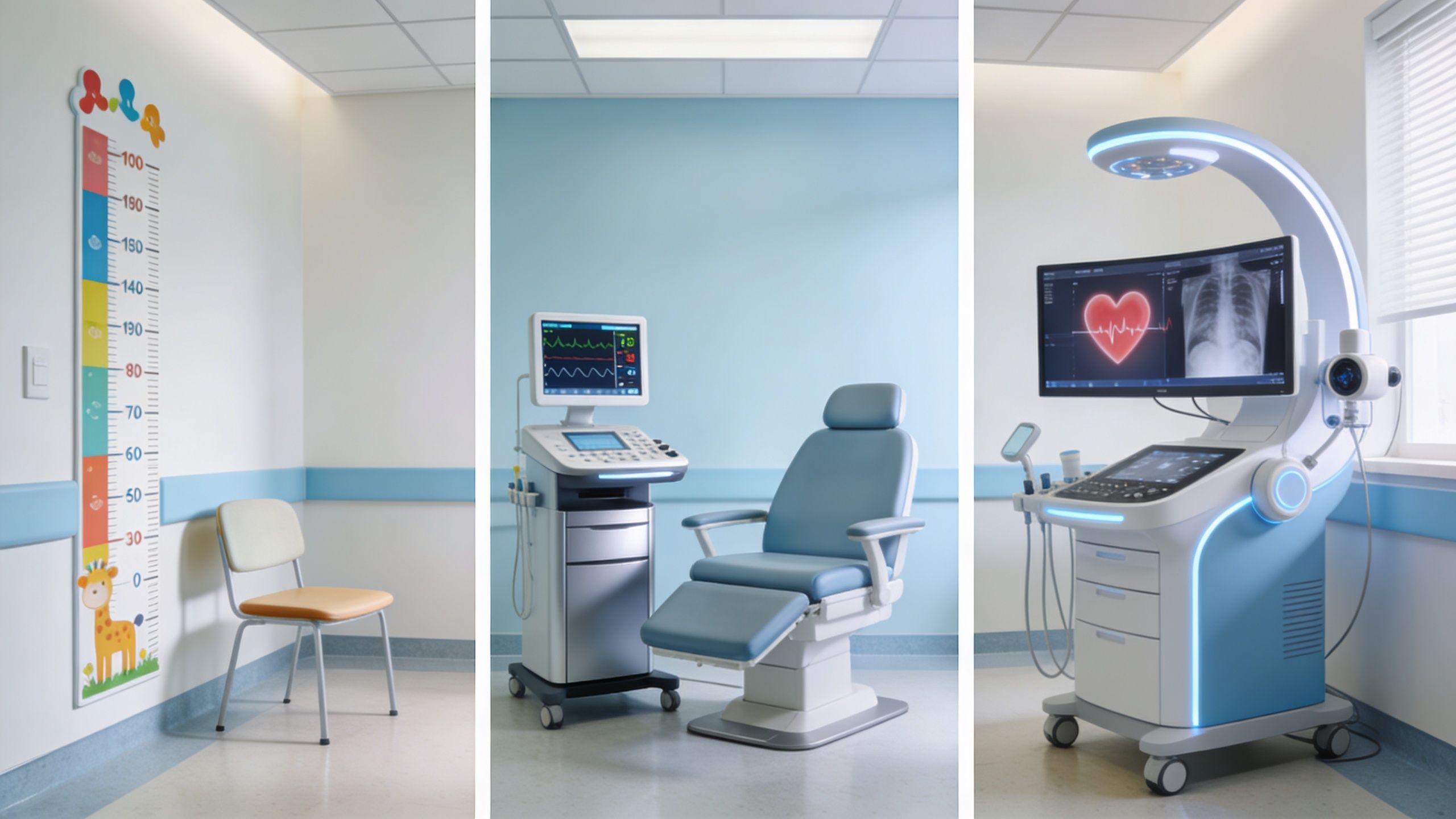
Annual physicals and routine wellness visits
This is the check up most adults mean when they say, “I need to see a doctor for a physical.”
It usually includes:
- Health history review: Past illnesses, surgeries, medications, allergies, and family history.
- Preventive discussion: Vaccines, screening tests, diet, exercise, sleep, stress, and tobacco or alcohol use.
- Basic exam: Heart, lungs, abdomen, skin, and other systems as needed.
For many adults, this is the visit that keeps long-term care organized. If you haven't seen a clinician in years, an annual physical is often the best starting point.
Problem-focused and requirement-based exams
Some check ups are routine. Others are tied to a specific need.
- Pre-employment physical: Employers may require an exam to confirm that an applicant can safely perform job duties or meets workplace health requirements. The forms usually come from the employer, so bring them with you.
- Pre-operative clearance: This visit helps determine whether you're medically ready for surgery. The clinician reviews your health conditions, medications, and any testing requested by the surgeon or hospital.
- USCIS immigration medical exam: This is a formal immigration exam completed by a designated civil surgeon. It follows specific federal requirements and often involves vaccine review and required documentation.
- Travel health consultation: This is less about your baseline health and more about destination-specific planning. Patients often need vaccine review, medication counseling, and advice about food, water, and illness prevention.
- Chronic care follow-up visit: If you already have a diagnosis such as hypertension or diabetes, the visit may focus more on control, medication response, symptoms, and monitoring.
People often get confused because one visit can overlap with another. For example, a pre-employment exam doesn't always replace a full annual physical. A travel consultation doesn't automatically cover chronic disease monitoring. If you're unsure, ask the clinic exactly what the visit includes.
Bring any forms, deadlines, or instructions with you. That prevents delays and helps the clinician match the exam to the reason you came in.
The Long-Term Benefits of Preventive Health Screenings
Preventive care isn't only about “catching something early.” It's about building a record of your health over time so changes become easier to spot and easier to act on.
In community health centers across the United States, 33.4% of visits were for preventive care and 32.1% were for chronic issues in 2020, according to the CDC's National Ambulatory Medical Care Survey summary. That tells you something important. Routine care and chronic disease care are closely linked in real life.

A check up creates a baseline
A single blood pressure reading matters. A pattern over time matters more.
When your clinician sees you regularly, they can compare today's results with your prior exam, prior labs, prior symptoms, and prior treatment response. That makes it easier to answer questions like these:
- Is this new or longstanding?
- Is your weight change gradual or sudden?
- Has your glucose been stable or drifting upward?
- Is a symptom isolated, or part of a larger pattern?
That baseline also helps with conversations that go beyond blood tests. Some patients benefit from broader mental and physical health assessments when stress, sleep, memory, mood, or functioning starts affecting daily life.
Prevention works best when access is simple
Preventive care only helps if people can access it. That's why practical access matters just as much as medical advice. Adults often delay visits because they can't miss work, can't get transportation, aren't sure what insurance covers, or assume the process will be too complicated.
For patients who want a more detailed overview of routine prevention topics, this guide to preventive health screenings for adults is a useful next step.
A medical check up is one of the few visits where you can talk about what's wrong, what might go wrong, and how to lower risk before problems interrupt your life.
There's also a relationship benefit. When you trust the clinician who follows you over time, it becomes easier to discuss sensitive concerns, ask better questions, and stick with a plan that fits your budget, schedule, and goals.
Common Tests and Screenings in a Check Up
Most patients want to know what happens once the visit starts. The answer depends on your age, symptoms, medical history, and the reason for the appointment, but the building blocks are fairly consistent.
What usually happens in the exam room
A standard medical check up often includes:
- Vital signs: Blood pressure, pulse, temperature, weight, and sometimes oxygen level.
- Medication review: Prescription drugs, over-the-counter medicines, vitamins, and supplements.
- Focused physical exam: The clinician may listen to your heart and lungs, examine your abdomen, check your legs for swelling, look at your skin, or assess joints depending on your concerns.
- Screening review: You may discuss cancer screening, immunizations, sexual health, sleep, mood, or substance use.
The exam isn't meant to be mysterious. If something feels unclear, ask what the clinician is checking and why.
Why blood tests matter
One common lab panel is the Metabolic Panel, or CMP. The CMP evaluates 14 biomarkers and helps clinicians look at glucose, kidney function, liver-related markers, electrolytes, and protein levels. According to Baxter Health's overview of common lab tests, it includes markers such as glucose, creatinine, and BUN, which can help detect diabetes risk and assess kidney function.
That matters because these numbers often tell a story before symptoms become dramatic. If glucose is abnormal, your clinician may look more closely at diabetes risk. If creatinine or BUN is off, they may ask about hydration, medications, kidney disease, or other causes.
Some patients also want more flexible testing options between office visits. If your clinician is monitoring diabetes, FindMyScript's advice on home A1c can help you understand how at-home testing fits into the bigger picture. It doesn't replace medical care, but it can make follow-up conversations more informed.
If you want a broader primer on common screening labs and why they're ordered, this resource on essential medical tests you shouldn't ignore can help you prepare better questions for your next visit.
Lab work doesn't diagnose you in isolation. Your clinician interprets the results together with your symptoms, medicines, exam findings, and history.
Recommended Health Screenings by Age Group
The table below is a planning tool, not a fixed rulebook. Your clinician may suggest more or fewer tests depending on symptoms, family history, pregnancy status, medications, prior results, or chronic conditions.
| Age Group | Common Screenings for All Genders | Additional Screenings for Women | Additional Screenings for Men |
|---|---|---|---|
| 18 to 39 | Blood pressure, weight and BMI review, routine lab work if indicated, vaccine review, mental health discussion, sexual health screening based on risk | Cervical cancer screening as appropriate, breast health discussion | Testicular or reproductive concerns discussed if present |
| 40 to 64 | Blood pressure follow-up, cholesterol and glucose discussion, colon cancer screening discussion, medication review, sleep and stress review | Breast cancer screening discussion, cervical screening if due, menopause-related review when relevant | Prostate health discussion based on symptoms and risk factors |
| 65 and older | Ongoing blood pressure and chronic disease monitoring, fall risk review, medication safety, sensory concerns, vaccine review, kidney and metabolic monitoring if indicated | Bone health and postmenopausal concerns reviewed as needed | Urinary and prostate symptom review as needed |
A useful mindset is this: don't ask only “What tests should everyone get?” Ask “What tests make sense for me, given my age, history, and risks?”
How to Prepare for Your Visit and What to Expect
A little preparation makes a medical check up more useful. The goal isn't to arrive with perfect paperwork. It's to give the clinician the information they need to make good decisions.

Before you arrive
Bring these basics if you can:
- Your medication list: Include doses if you know them. Supplements count too.
- Insurance card and photo ID: If the visit involves employment, school, surgery, or immigration paperwork, bring every form.
- Your questions: Write them down. People often forget the most important concern once the visit starts.
- Relevant records: Recent lab results, hospital discharge papers, or specialist notes can help.
If you're coming for a more complex evaluation, preparation can reduce anxiety. Some of the same habits used when preparing for ADHD and autism evaluations also help with a routine medical appointment. Make a symptom timeline, note major life changes, and list examples of what's been affecting daily life.
For a practical checklist, review this guide on how to prepare for a physical exam.
During the appointment
The visit usually starts with vital signs. This step matters more than many patients realize. A blood pressure reading above 130/80 mmHg may indicate hypertension, and a resting heart rate over 80 bpm is linked to increased cardiac risk, as described in this overview of what happens during a complete physical exam.
After that, the clinician will talk with you, not just examine you. They may ask:
- What symptoms have you noticed?
- When did they start?
- What makes them better or worse?
- Have you had any changes in sleep, appetite, mood, or energy?
- Are you taking your current medicines regularly?
This short video gives a helpful sense of the process patients often go through during a health visit:
If you feel nervous, say so early. Anxiety can raise blood pressure, make it harder to remember questions, and leave you feeling rushed.
After the visit
Before you leave, make sure you know three things:
- What was found today
- Whether you need tests, prescriptions, or referrals
- When to follow up
If labs are ordered, ask how results will be shared. If a result is abnormal, ask what it means in plain English and whether it needs urgent action, repeat testing, or simple monitoring.
Navigating Clinic Logistics and Insurance in Maryland
A checkup is only helpful if you can get through the door. For many adults in Maryland, the hard part is not deciding that preventive care matters. It is figuring out where to go, whether the clinic takes your insurance, and how many separate trips the visit will require.
That practical side of care matters more than many patients expect. The Mayo Clinic explains that barriers such as cost, transportation, and work schedules often keep underserved patients from getting routine screenings, and that options like walk-ins, telemedicine, and clear pricing can improve access, as described in this article on health screenings in underserved populations.
Questions to ask before you book
A clinic visit works a bit like planning a short trip. If you confirm the details first, the day goes more smoothly and you are less likely to run into avoidable problems.
Before booking, ask:
- Do you accept my insurance plan? If yes, ask whether a routine physical, follow-up, or problem visit is billed differently.
- Can I be seen the same day, or do you accept walk-ins? This helps if your schedule changes week to week.
- Do you have on-site lab services? If blood work can be done in the clinic, you may avoid a second appointment at a separate lab.
- Are telemedicine follow-ups available? That can save time if you only need to review results or discuss next steps.
- What paperwork should I bring? This is especially important for work forms, school requirements, travel, surgery clearance, or immigration exams.
These are simple questions, but they prevent common mix-ups. They also help you choose the right appointment type the first time.
What makes a Maryland clinic easier to use
Convenience is not a luxury. It often decides whether a patient keeps up with care or puts it off for another six months.
In Lanham and across Prince George's County, a clinic that combines primary care with urgent care, on-site labs, and walk-in access can remove several obstacles at once. Instead of arranging one visit for the exam, another for blood work, and a third to review results, patients may be able to handle more of the process in one place. That matters for people balancing hourly work, childcare, limited transportation, or a long gap since their last exam.
Insurance questions deserve the same plain-language approach. Ask what your plan covers, whether the visit is considered preventive or problem-focused, and whether labs, vaccines, or forms may have separate charges. If you do not have insurance, ask about self-pay pricing before the appointment. Clear answers up front are like reading the map before you start driving. They reduce surprises later.
One local option is Maryland Primary and Urgent Care, which offers adult primary care, walk-in urgent care, same-day appointments, telemedicine, on-site lab services, physicals, immunizations, and USCIS immigration medical exams. For a Maryland patient, those details are not small extras. They shape how realistic it is to stay on track with routine care.
Take the Next Step and Frequently Asked Questions
If you've been delaying a medical check up because you weren't sure what would happen, the most important point is simple. The visit is meant to give you clarity. It helps identify risk, organize your health history, address symptoms, and decide what needs attention now versus later.
You don't need to prepare perfectly. Bring your questions, your medication list, and any forms you've been told to complete. Then let the visit do its job.
FAQ
What if I don't have insurance?
Ask the clinic how self-pay visits work, what services may be billed separately, and whether there are lower-cost options for labs or follow-up. Clear pricing before the visit is always better than guessing.
How long does a check up take?
It depends on the reason for the visit, whether forms need to be completed, and whether labs are done the same day. A straightforward routine visit is usually shorter than an exam that includes paperwork, chronic disease review, or multiple concerns.
Do I need to fast before my appointment?
Sometimes yes, sometimes no. It depends on which labs your clinician wants. Ask when you book so you don't show up unprepared.
What if I'm anxious about seeing a doctor?
That's common. Tell the staff or clinician at the start of the visit. They can usually slow the pace, explain each step, and make the appointment feel more manageable.
If you're ready to schedule a medical check up, Maryland Primary and Urgent Care offers adult primary care, physical exams, on-site testing, telemedicine, and practical support for patients in Lanham and the surrounding Maryland area. You can book a visit, ask about insurance, and confirm what to bring before you come in.