
You’re probably doing what most applicants do right before the exam. Checking your appointment email again, pulling records from different folders, and wondering whether you’re about to forget the one document that causes delays.
Your Complete USCIS Medical Exam Checklist
Preparing for your USCIS immigration medical exam requires careful organization. The primary items you must bring include a valid government-issued photo ID, your vaccination records, Form I-693 if you've started it, any prior medical records, a list of current medications, and a method of payment. This guide provides a detailed checklist of exactly what to bring to your appointment with a designated civil surgeon, like Dr. Sherif Hassan at Maryland Primary and Urgent Care, to ensur… Sherif Hassan at Maryland Primary and Urgent Care, to ensure a smooth and successful process.
If any of your supporting records aren't in English, arrange immigration document translation services before your visit so the civil surgeon can review them without delay.
The short answer to what to bring to immigration medical exam appointments is simple. Bring your ID, your records, and anything that helps the clinic verify your identity, vaccination history, and current medical status on the first visit. Applicants who arrive prepared with the right paperwork usually move through check-in and form review more smoothly than applicants who try to reconstruct their history at the front desk.
Table of Contents
- 1. Valid Government-Issued Photo ID
- 2. USCIS Medical Exam Form I-693 Instructions and Appointment Confirmation
- 3. Complete Vaccination Records and Medical History Documentation
- 4. Insurance Information and Payment Method
- 5. List of Current Medications and Supplements
- 6. Previous Medical Records and Specialist Reports
- 7. Contact Information for Previous Healthcare Providers
- 8. Comfortable Clothing and Personal Hygiene Items
- Immigration Medical Exam: 8-Item Comparison
- Ready for Your Exam? Schedule with Confidence
1. Valid Government-Issued Photo ID
You arrive on time, your records are organized, and check-in stops at the front desk because the name on your paperwork cannot be tied to the person standing there. That delay is avoidable. Bring an original, valid government-issued photo ID so the civil surgeon’s office can verify identity before the exam starts.
For most applicants, the best document is a current passport. A driver’s license, state ID, or permanent resident card can also work if it is government-issued, legible, and unexpired. If you want a broader overview of the process, this guide to the USCIS medical exam and preparation steps explains how identity documents fit into the visit.
For children, the rules are a little different. The CDC’s instructions for civil surgeons allow identity to be verified with a birth certificate, affidavit, or other reliable proof when a standard photo ID is not available for a child, especially for younger minors, as described in the CDC Technical Instructions for Civil Surgeons.
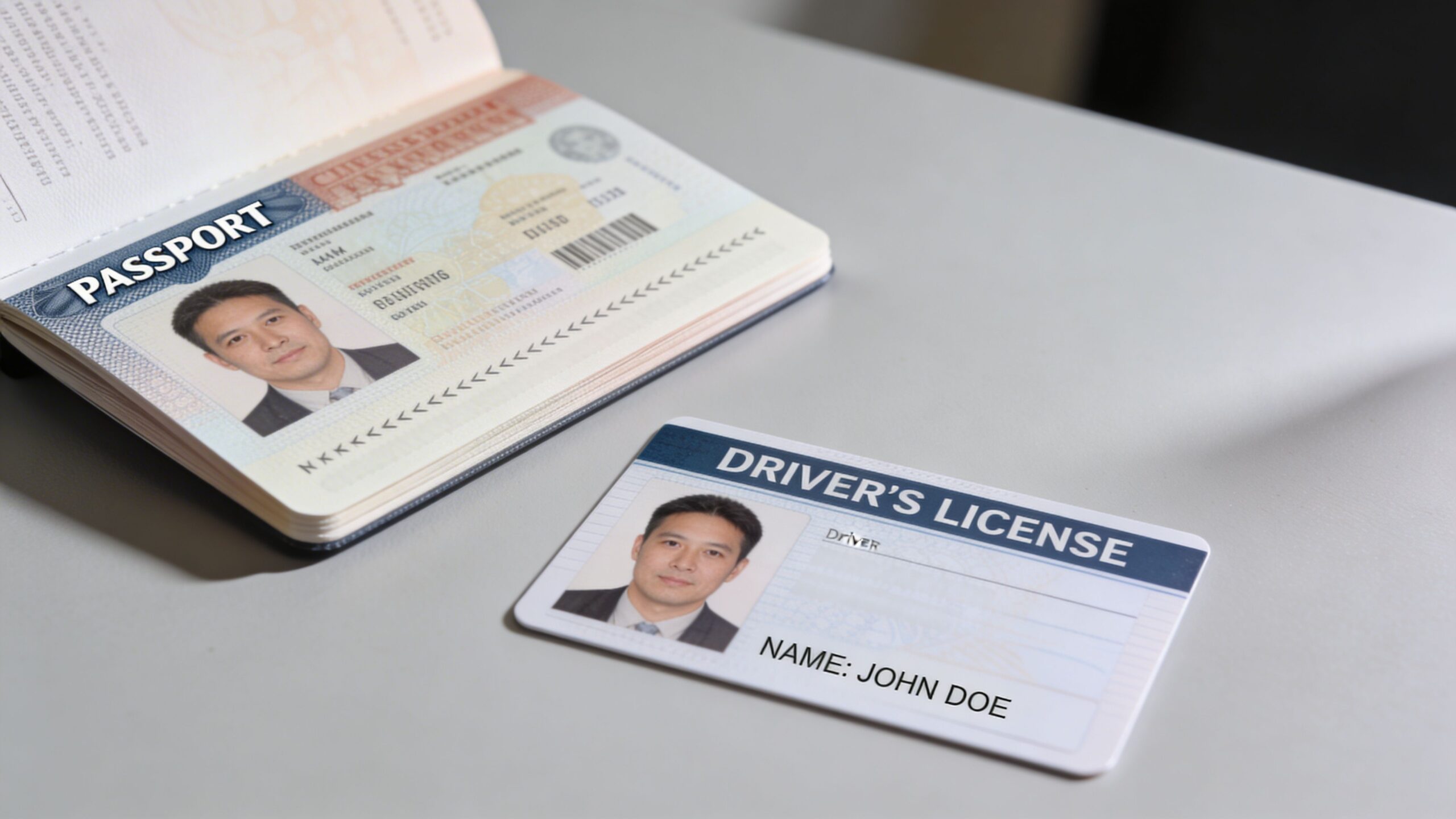
What works best at check-in
Bring the original document, not a phone photo, scan, or photocopy unless the clinic gave you different instructions in writing.
A few practical checks prevent the problems I see most often:
- Confirm the ID is current: Expired documents often slow down check-in and can force staff to pause the visit.
- Match the name to your immigration paperwork: If one document shows a different spelling, order, or surname, bring the legal record that explains it, such as a marriage certificate or court order.
- Carry a second ID if you have one: A backup can help if the primary document is damaged, hard to read, or shows an old address.
- For minors, pack the child’s identity document with the parent’s ID: That keeps family check-in faster and avoids last-minute searching at the desk.
At Maryland Primary and Urgent Care, identity verification is part of keeping the I-693 process accurate and compliant. Pregnant applicants and parents bringing children do not usually need different check-in steps for identity itself, but they do benefit from organizing each family member’s documents in separate folders. That simple step cuts confusion when several records are being reviewed at once.
Put the ID in your exam folder the night before. Missed appointments often start with a document left on the kitchen counter.
2. USCIS Medical Exam Form I-693 Instructions and Appointment Confirmation
A common check-in problem is simple: the applicant arrives on time, but the form was signed at home, printed from an old USCIS file, or left in an email inbox no one can pull up at the front desk. That can delay the visit before the medical exam even starts.
Bring Form I-693 if you have already started it, but leave the signature blank until the civil surgeon tells you to sign. USCIS posts the current Form I-693 instructions and edition details, and it is worth confirming that your copy matches the current version before the appointment.
Your appointment confirmation belongs in the same folder as the form. At Maryland Primary and Urgent Care, that message often answers the questions that cause avoidable delays: exact arrival time, office location, fasting or lab instructions if any apply, and whether the clinic wants printed paperwork. Families should print one confirmation per patient, not one for the whole household. That keeps children’s appointments, vaccine review, and chart matching from getting mixed together.
Keep these items together:
- Your current Form I-693: Complete only the applicant sections you were told to complete.
- Your appointment confirmation: Bring the email, text, or printed notice with the date, time, and location.
- Any clinic-specific instructions: Include messages about records, vaccine follow-up, lab timing, or special pregnancy-related guidance.
- A paper backup: A printed copy helps if your phone battery dies or reception is poor.
One caution matters here. Do not treat I-693 like routine intake forms from a primary care visit. A missing page, outdated edition, or early signature can mean the civil surgeon has to stop and correct paperwork before moving on to the medical portion.
If your appointment instructions mention vaccines, travel records, or prior immunization documents, reviewing a plain-language guide to travel vaccination requirements and records before a clinic visit can help you organize those papers in advance. If you want a broader overview of the process before your visit, Maryland Primary and Urgent Care explains the sequence in its USCIS medical exam overview.
Pregnant applicants and parents bringing minors should read the confirmation carefully for timing and documentation details. Those visits often run more smoothly when each person’s I-693 paperwork and scheduling notice are clipped together separately. That small step prevents the form mix-ups I see most often.
3. Complete Vaccination Records and Medical History Documentation
A common delay happens after check-in, when an applicant is certain they were vaccinated but cannot show dates, locations, or a readable record. At that point, the civil surgeon has to document only what can be verified, and that often leads to repeat vaccines, extra lab work, or follow-up steps that could have been avoided.
Bring every immunization record you can locate, even if the paperwork feels incomplete. Childhood records, school forms, pharmacy printouts, prior immigration vaccine worksheets, military records, yellow cards, and records from another country can all be useful. If any record is not in English, bring a clear translation with the original. Organized records usually make the visit faster because the physician can verify history instead of reconstructing it from memory.
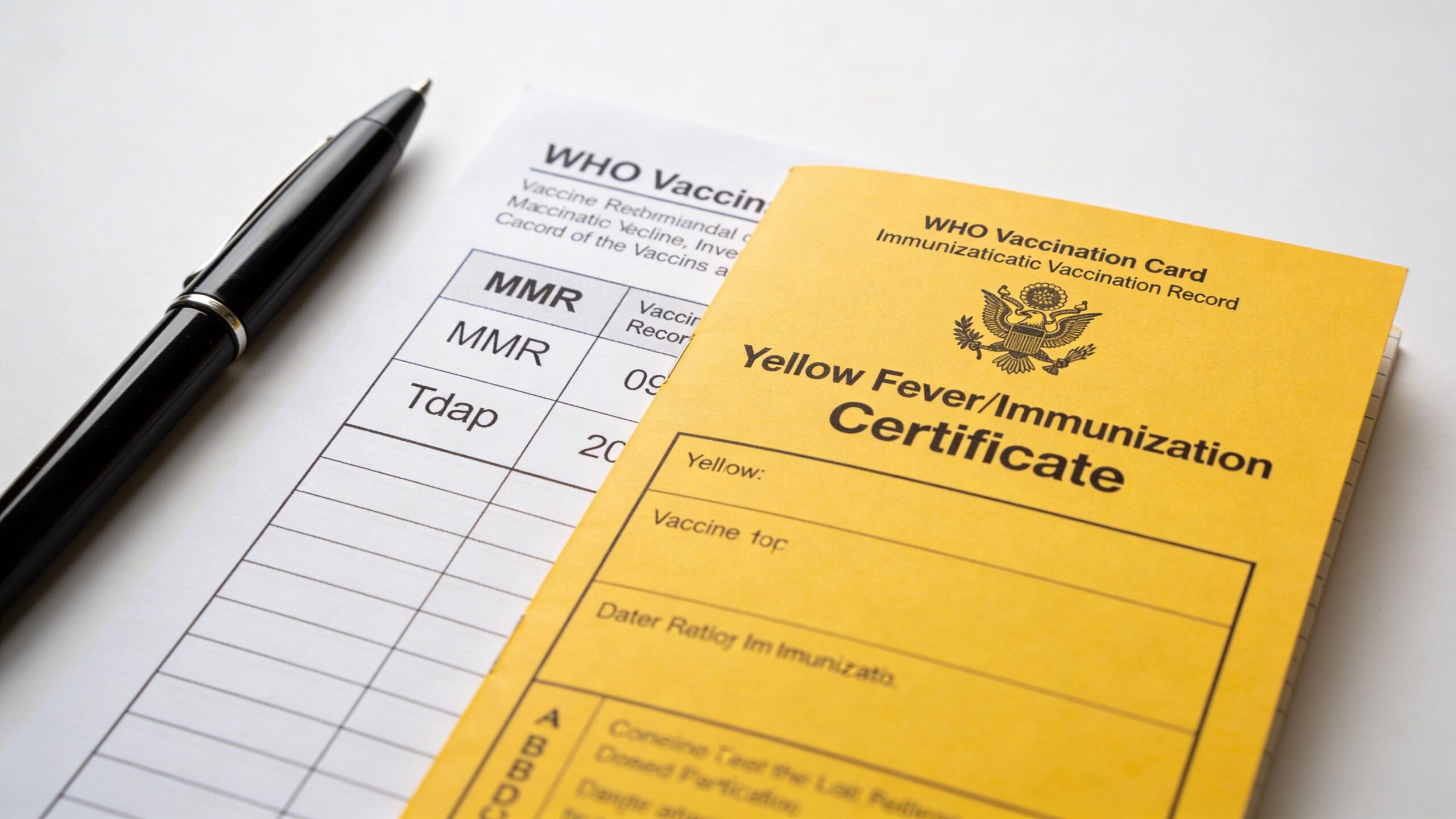
What the civil surgeon needs to see
The goal is not to bring perfect records. The goal is to bring enough detail for the clinic to confirm what you have already received and what still needs attention under USCIS rules. Exact dates matter most. Vaccine names, dose numbers, clinic stamps, and lot details help, but dates are what usually determine whether a record can be used.
Medical history documents matter for the same reason. The exam is not a full primary care workup, but the physician still needs a clear picture of major diagnoses, surgeries, prior treatment for significant infections, hospitalizations, and current ongoing conditions. At Maryland Primary and Urgent Care, outside records are especially helpful when a specialist, hospital, pediatrician, or overseas doctor handled part of your care.
Useful records to gather include:
- Immunization documents: Childhood vaccine cards, pharmacy printouts, school records, travel vaccine records, and prior civil surgeon documentation.
- Major medical history: Hospital discharge summaries, operative reports, and records of treatment for serious illnesses or infections.
- Chronic condition records: Notes or summaries for diabetes, hypertension, thyroid disease, asthma, seizures, or other active conditions.
- Translated records: The original document plus an English translation if the record was issued in another language.
Two groups benefit from extra preparation.
Children should arrive with pediatric vaccine records, school forms, and any catch-up immunization history. Parents often assume the pediatric chart alone will be enough, but bringing printed copies avoids delays if an outside office cannot send records the same day.
Pregnant applicants should bring prenatal records if they affect vaccine timing, current medications, or recent lab results. That gives the examining physician the context needed to document the case correctly and avoid unnecessary confusion about what can be given now versus what should be deferred.
If you are unsure whether a travel vaccine card or international immunization booklet is worth bringing, review this guide to travel vaccination requirements and records before a clinic visit. It helps applicants sort out which documents are likely to be useful.
This short video gives a useful visual overview of immigration exam preparation.
If your records are scattered across old portals, pediatric offices, pharmacies, or overseas clinics, collect and send them securely before the appointment when possible. Using the best way to send sensitive documents can help protect personal health information while you gather what the clinic needs.
Applicants often ask whether partial records are worth bringing. They are. A school form with dates for MMR and varicella, plus a pharmacy printout for flu or COVID vaccination, is far better than arriving with no documentation at all.
4. Insurance Information and Payment Method
A common day-of-exam problem is simple: the applicant has the right documents, arrives on time, and then gets stuck at check-in because no one is sure what insurance covers, what must be paid that day, or whether the lab bill is separate from the exam fee.
Bring your insurance card if you have one. Bring a payment method even if you expect some coverage. Immigration medical exams are often handled differently from routine primary care, and coverage can vary between the civil surgeon visit, lab work, vaccines, and any follow-up dose you may need later.
At Maryland Primary and Urgent Care, this is one of the smartest questions to settle before the appointment, not at the front desk. Ask what the office fee includes, whether labs are billed separately, whether vaccines are charged the same day, and which forms of payment the clinic accepts. That short call can prevent a same-day delay or a second trip.
What to bring
Keep these items together in your wallet or appointment folder:
- Insurance card: Private insurance, Medicaid, or Medicare, if applicable.
- Photo ID with the same name used for registration: Mismatched names can slow check-in.
- Debit card, credit card, or other approved payment method: Helpful if part of the visit is self-pay.
- Any written estimate or payment instructions from the clinic: Especially if the exam, labs, and vaccines were quoted separately.
A backup plan matters here. If your insurer covers lab work but not the civil surgeon exam, you still need a way to pay the uncovered portion without delaying completion of Form I-693.
Pregnant applicants and families bringing children should be especially careful about this step. Vaccine timing, deferrals, and age-specific requirements can change the final cost, so it helps to ask in advance what happens if the physician recommends additional vaccines or follow-up documentation.
If you need to submit receipts, insurance cards, or billing records after the visit, use the best way to send sensitive documents rather than unsecured methods.
Call before your appointment if anything is unclear. A few direct questions now can save a canceled visit later.
5. List of Current Medications and Supplements
A medication list sounds minor until the physician starts reviewing your history. Then it becomes one of the fastest ways to make the exam accurate.
Bring a written list of prescription medications, over-the-counter products, vitamins, herbal supplements, and anything you take regularly or recently stopped taking. If the name is hard to spell or the dose changes often, bring the bottle.
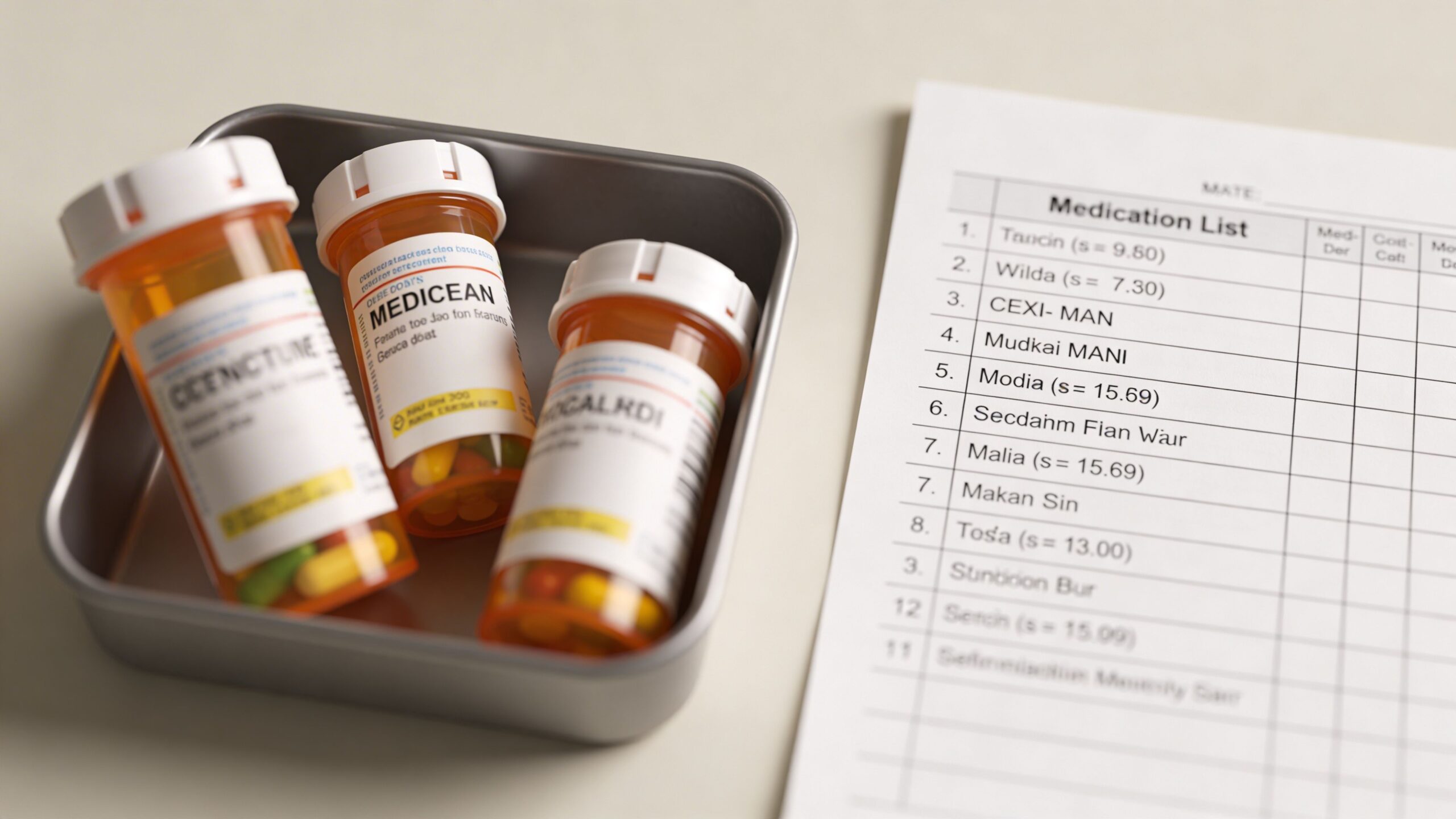
What to write down
Don’t overcomplicate it. A simple list is enough if it includes the essentials.
- Medication name: Brand or generic is fine, as long as it’s clear.
- Dose and schedule: For example, once daily, twice daily, or as needed.
- Why you take it: Blood pressure, diabetes, sleep, allergies, pain, or another reason.
- Drug allergies or bad reactions: Include anything that has caused a rash, swelling, or other reaction.
This is especially important if you take medication for chronic conditions or if your records are coming from different providers. The physician doesn’t need a perfect life history. The physician needs a reliable current picture.
For example, if you take lisinopril for blood pressure, metformin for diabetes, prenatal vitamins during pregnancy, or sertraline prescribed by another doctor, bring that information in a way the clinic can review quickly.
What works well is a paper list tucked into your records folder. What works even better is the paper list plus the actual bottles for anything complicated, recently changed, or easy to confuse with another drug.
“Same pill, small white tablet” isn’t enough information for a medical form.
If you use supplements, mention them. Herbal products, sleep aids, and sports supplements often get left off lists because people don’t think of them as medications. The exam record is more accurate when they’re included.
6. Previous Medical Records and Specialist Reports
A common delay happens after the exam starts. The physician sees a past surgery, a history of tuberculosis treatment, or prior mental health care on your intake forms, but there is nothing in the file that explains the diagnosis, treatment, or current status. That usually does not end the process. It does slow it down.
Bring records that answer the obvious follow-up questions. Current specialist notes, hospital discharge summaries, operative reports, imaging results tied to a diagnosed condition, and treatment completion letters are usually the most useful. For immigration exams, a concise recent summary often helps more than a thick folder of unrelated pages.
Mental health history is one area where context matters. CDC technical instructions for panel physicians and civil surgeons require the physician to assess whether there has been harmful behavior associated with a mental health condition or substance use disorder, so old diagnoses without supporting records can lead to requests for more clarification. See the CDC’s technical instructions on mental disorders and substance-related disorders.
The strongest records are dated, readable, and tied to the condition listed on your form. If you saw a cardiologist last month, bring that note. If you had surgery ten years ago and have done well since, bring the operative summary if you have it, but prioritize the most recent follow-up showing your current condition.
If your records are incomplete, the clinic may need updated testing. Maryland Primary and Urgent Care discusses the types of medical tests that may be needed when prior records do not answer current exam questions.
A few situations deserve extra planning. For children, bring pediatric specialist notes for congenital conditions, developmental evaluations, or prior hospitalizations. For pregnant applicants, prenatal records and any high-risk pregnancy documentation can help the civil surgeon review medications, vaccines, and recent care safely and efficiently.
One practical rule helps. Label anything you print with the condition name and date before the appointment.
For example, if you previously completed tuberculosis treatment, bring the completion letter or public health record. If you were hospitalized for a heart problem years ago but now see a cardiologist regularly, the recent cardiology note is usually the document that answers the physician’s question fastest.
Loose papers with no dates, no provider name, and no clear diagnosis rarely help. A small, organized set of relevant records does.
7. Contact Information for Previous Healthcare Providers
Sometimes you won’t have every record in hand. That’s frustrating, but it isn’t unusual. When that happens, contact information for prior clinics and doctors becomes the next best thing.
Write down the names of providers, clinics, hospitals, approximate visit dates, and phone numbers or email addresses if you have them. Include providers from outside the United States if they handled important vaccinations, surgery, childbirth, or long-term care.
Why this list matters more than people expect
The physician may not need to call anyone. But if a record is unclear, a provider list gives the clinic a path forward.
This is especially useful when:
- Your records are split across countries: One clinic handled vaccines, another handled surgery, another handled chronic care.
- You changed names or addresses: Older records may not match your current paperwork exactly.
- You remember treatment but not the document: A clinic name and date range can help recreate the timeline.
In busy practices, missing records cause delays more often than complex medical issues do. A simple provider list helps staff verify what happened and when.
One practical format works well. Use a note on your phone and print it before the appointment. List each provider with the city, country, specialty, and approximate dates of care. That’s enough to make follow-up realistic if the civil surgeon needs clarification.
For applicants with children, include the pediatrician or childhood clinic that handled early immunizations. For pregnant applicants, include the obstetric provider if prenatal records are still pending. For anyone with a history of hospitalization, include the hospital medical records department when possible, not just the doctor’s name.
A short, organized list is far more useful than saying, “I went somewhere a few years ago, but I don’t remember where.”
8. Comfortable Clothing and Personal Hygiene Items
You arrive with every document in order, then lose time wrestling with tight sleeves before a blood pressure check or blood draw. Small comfort choices can affect how calm and efficient the visit feels, especially if you are bringing a child, managing pregnancy, or expecting a longer appointment because labs are part of the process.
Choose clothes that work in a clinic. A T-shirt or top with loose sleeves, pants that do not restrict movement, and shoes that slip off easily usually make the exam easier for both you and the medical staff.
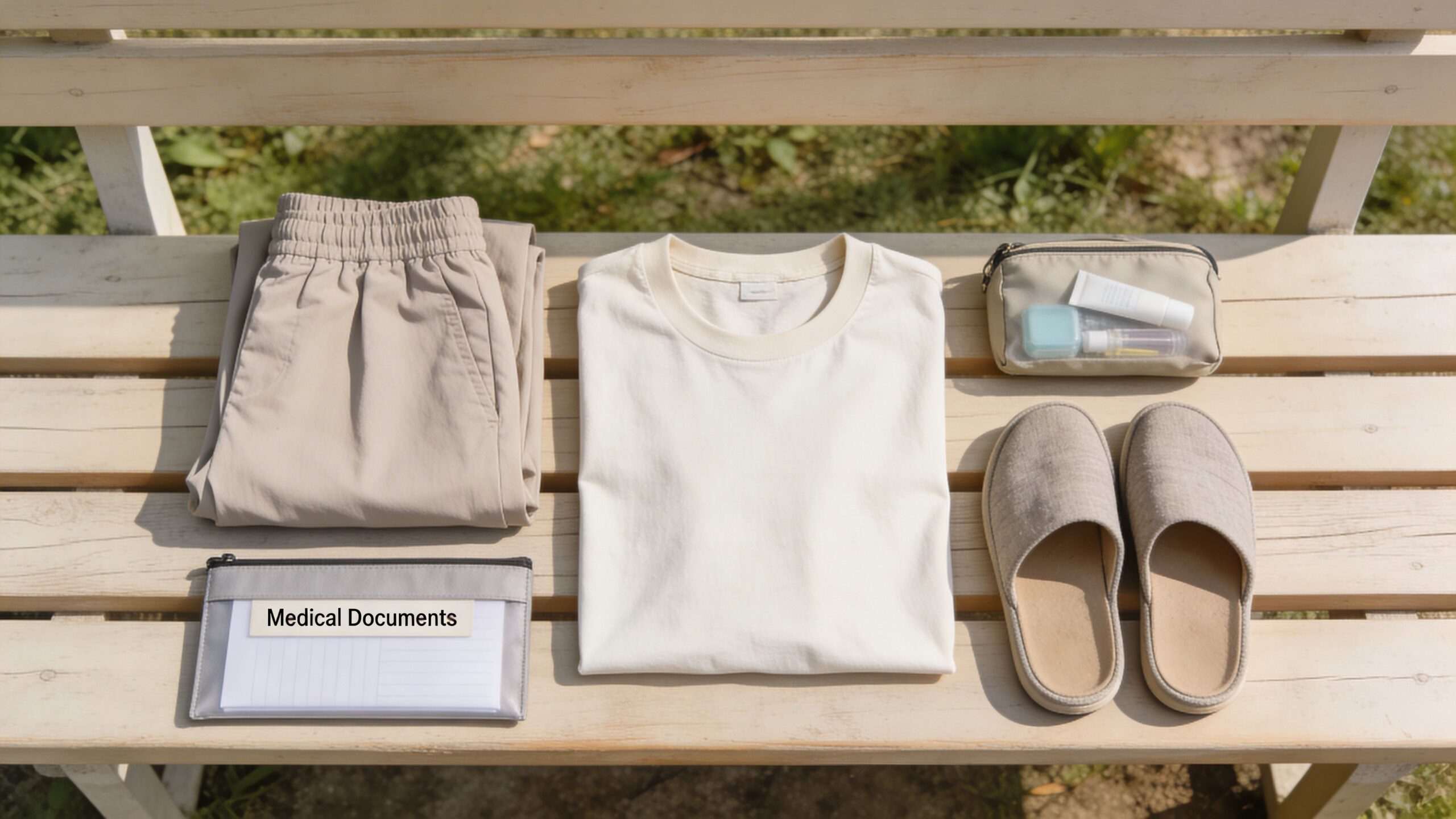
Dress for the exam room, the waiting room, and the lab
The immigration medical exam is a healthcare visit with several routine steps. You may sit for a while, move between intake and exam areas, and complete lab work on the same day, depending on the clinic’s process. Clothing that is easy to adjust helps the visit stay orderly.
A practical setup includes:
- Light layers: Exam rooms can feel cool, and a simple extra layer is easy to remove and put back on.
- Sleeves that roll up quickly: This helps with blood pressure checks, vaccines, and blood draws.
- Simple shoes: Slip-on shoes or sneakers are easier than boots, heels, or footwear with multiple straps.
- Minimal jewelry: Fewer items to remove means fewer chances to misplace something.
- No heavy fragrance: Many patients are sensitive to strong scents in enclosed medical spaces.
Maryland Primary and Urgent Care uses private examination rooms, which matters for comfort and privacy during the physical exam. Clothing still makes a difference. Tight jeans, shapewear, complex buttons, and bulky outerwear slow routine exam steps and add stress that serves no purpose.
Bring a few small hygiene or comfort items if they will help you wait comfortably. Tissues, lip balm, a hair tie, a sanitary pad, or water for after the visit can be useful. Keep it simple. A large bag with extra items often becomes one more thing to manage in the exam room.
Two groups benefit from a little extra planning. For children, pack a snack, wipes, and one quiet item that keeps them occupied. For pregnant applicants, wear clothing that does not put pressure on the abdomen, and bring anything you routinely need to stay comfortable during a medical visit. If a clinic day includes intake, exam, and lab work, comfort becomes practical, not cosmetic.
As noted earlier, some clinics coordinate the exam and lab portion efficiently, and results may still take several days to return. Dress and pack with that full process in mind so the visit stays straightforward from check-in through completion.
Immigration Medical Exam: 8-Item Comparison
| Item | 🔄 Implementation Complexity | ⚡ Resource Requirements | 📊 Expected Outcomes | 💡 Ideal Use Cases | ⭐ Key Advantages |
|---|---|---|---|---|---|
| Valid Government-Issued Photo ID | Low, straightforward verification | Original, current photo ID (passport, national ID, driver’s license) | Identity confirmed; appointment proceeds | Mandatory at every immigration medical appointment | Universally accepted proof; prevents identity fraud |
| USCIS Form I-693 Instructions & Appointment Confirmation | Low–Medium, requires reading and following instructions | Completed I-693 instructions, appointment letter, vaccination checklist | Exam scoped to USCIS standards; fewer omissions | When preparing for USCIS civil surgeon exam | Ensures federal compliance and clarity on requirements |
| Complete Vaccination Records & Medical History | Medium–High, may require gathering multiple sources | Immunization cards, yellow fever cert, prior treatment/surgery records | Avoids duplicate vaccines; documents admissibility | Applicants with prior vaccinations or complex histories | Prevents unnecessary vaccinations; speeds processing |
| Insurance Information & Payment Method | Low, administrative prep and verification | Insurance card, payment method, pre-authorization if needed | Smooth billing; reduced out-of-pocket surprises | Those using insurance or concerned about costs | Minimizes billing delays and potential financial burden |
| List of Current Medications & Supplements | Medium, requires accurate compilation | Medication names, dosages, bottles or pharmacy records | Identifies interactions; supports accurate medical assessment | Applicants on chronic or multiple medications | Improves safety and accuracy of I-693 medication section |
| Previous Medical Records & Specialist Reports | High, may take time to obtain records | Lab results, specialist reports, imaging, discharge summaries | Informs clinical decisions; may reduce repeat testing | Applicants with chronic or complex conditions | Provides continuity of care and stronger documentation |
| Contact Information for Previous Healthcare Providers | Low–Medium, administrative but helpful | Names, addresses, phone/fax/email and treatment dates | Enables record retrieval and verification when needed | When records are incomplete or from multiple providers | Speeds retrieval and verification of prior records |
| Comfortable Clothing & Personal Hygiene Items | Very low, simple preparation | Loose-fitting clothes, easy shoes, small hygiene kit, document folder | More efficient and comfortable physical exam | All patients, especially those needing vitals/blood draws | Facilitates exam accuracy and patient comfort |
Ready for Your Exam? Schedule with Confidence
If you’ve gathered the documents above, you’re in a strong position. Most problems with the USCIS medical exam don’t come from the medical screening itself. They come from missing ID, incomplete vaccination history, unsigned form mistakes, absent medication information, or records that are still sitting in another office.
The most reliable way to prepare is to pack for the appointment the night before. Put your photo ID, Form I-693 if you’ve started it, vaccination records, specialist reports, medication list, insurance card, payment method, and appointment confirmation in one folder. If any records aren’t in English, include the translated versions. If you don’t have a record, include the provider contact information that can help the clinic verify it.
For children, bring the identification and immunization documents that clearly connect the child to the appointment. For pregnant applicants, bring prenatal or obstetric records that give the civil surgeon useful current context. For applicants with chronic conditions, the best preparation is straightforward documentation. Recent notes, medication details, and treatment summaries are much more helpful than trying to explain everything from memory.
There’s also a practical trade-off to keep in mind. Some applicants wait until the morning of the exam to gather paperwork because they think they’ll remember what matters. That approach usually creates stress. Organized applicants don’t necessarily bring more paper. They bring the right paper in a form the clinic can use quickly.
If you’re still wondering what to bring to immigration medical exam appointments, use this simple rule. Bring anything that proves who you are, what vaccines you’ve had, what conditions you’re treating now, and who treated you before. That’s what helps the civil surgeon complete the exam accurately and helps you avoid repeat visits.
Maryland Primary and Urgent Care in Lanham is one relevant option for applicants who want a designated USCIS civil surgeon, on-site lab coordination, and a clinic familiar with the documentation side of the process. If you’re ready, the next step is booking the appointment and arriving with your folder prepared.
Need a USCIS medical exam appointment or have questions about what documents to bring? Maryland Primary and Urgent Care can help you prepare for the visit and schedule with a designated civil surgeon. Visit Maryland Primary and Urgent Care to book or learn more.