
You open a lab report, see that your cholesterol is high, and immediately wonder whether you can fix it without starting medication right away. In many cases, you can improve cholesterol levels naturally, especially when you use a focused plan instead of random diet changes.
The best natural approach is practical and specific. Eat more soluble fiber and unsaturated fats, cut trans fats and excess saturated fat, pair those changes with regular aerobic activity, manage stress, sleep better, and track progress with repeat labs so you know what's working.
Table of Contents
- Understanding Your Cholesterol Numbers and Your Path Forward
- Your Foundational Anti-Cholesterol Diet Plan
- Amplify Your Results with Smart Exercise and Weight Management
- Manage Stress and Sleep for Better Heart Health
- Targeted Supplements What Works and What to Watch For
- Partnering with Your Doctor for Lasting Success
Understanding Your Cholesterol Numbers and Your Path Forward
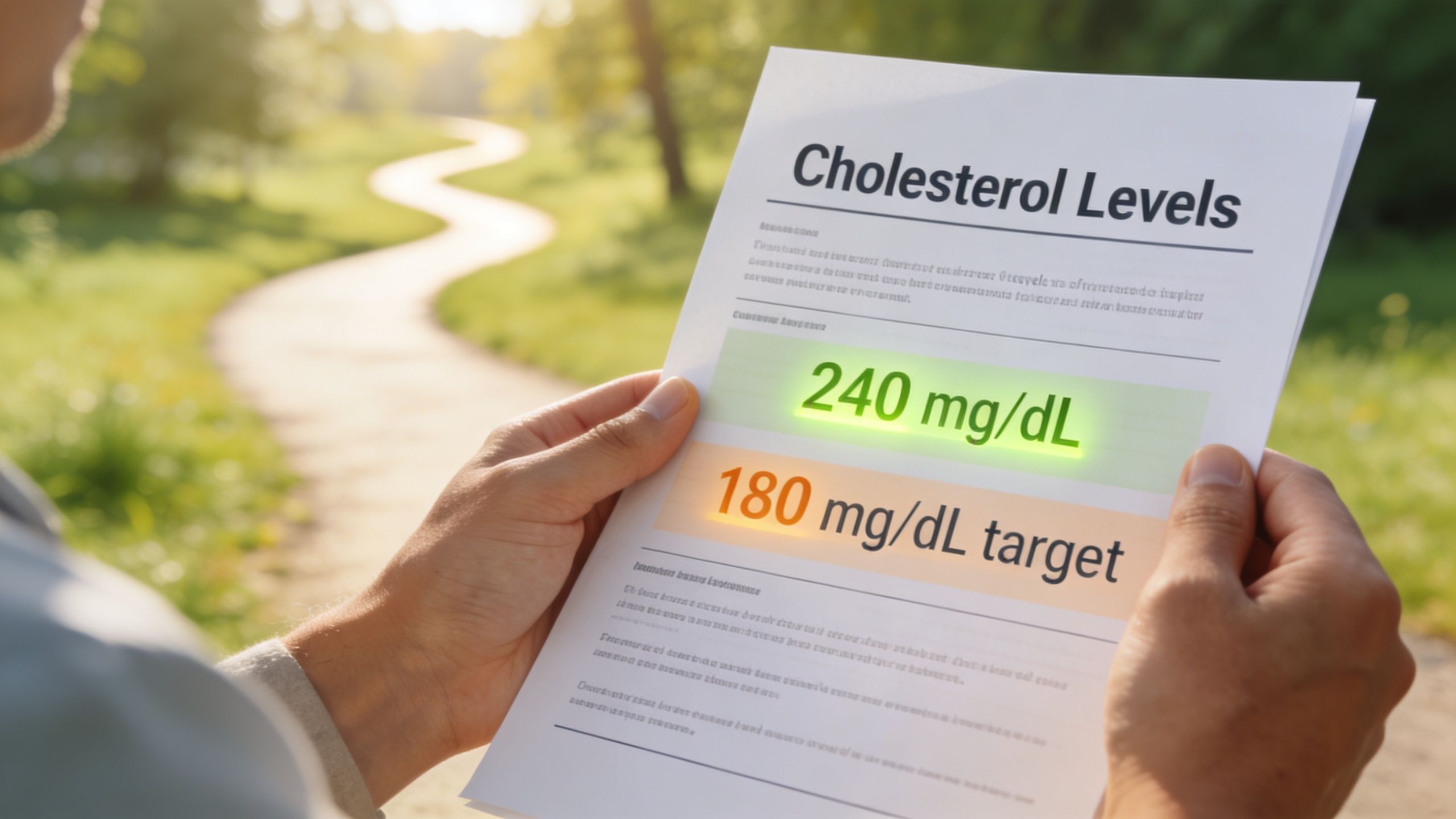
A high cholesterol result feels personal, but it isn't a character flaw. It's a risk marker. It tells you how your body is handling fats, inflammation, diet, activity, genetics, and daily stress.
Know what each number means
LDL is commonly referred to as "bad cholesterol." Too much LDL raises the chance that cholesterol will build up in artery walls over time.
HDL helps carry cholesterol away for processing. People often call it "good cholesterol," but what matters in practice is your whole pattern, not one number in isolation.
Triglycerides are another blood fat. They often worsen alongside excess refined carbohydrates, weight gain, inactivity, alcohol overuse, and poor sleep habits.
If you're trying to learn how to improve cholesterol levels naturally, the goal isn't to chase one miracle food. The goal is to lower LDL, improve the overall pattern of your lipid panel, and make changes you can keep doing.
Cholesterol improves fastest when patients stop looking for hacks and start following a repeatable routine.
A useful next step is to make sure your baseline is accurate and complete. If you haven't had a broader preventive review recently, a visit for adult preventive health screenings helps put cholesterol in context with blood pressure, blood sugar, weight trends, and family history.
Start with screening and a baseline
When I counsel patients, I want them to leave with a short list they can act on this week:
- Change breakfast first: Oats, fruit, and nuts are easier to repeat than a total diet overhaul.
- Replace fats, don't just remove them: Olive oil, avocado, and nuts are more useful than trying to eat "fat free."
- Add regular walking: Consistency matters more than intensity for most beginners.
- Track, then adjust: Follow-up labs tell you whether your plan is enough.
If you want a plain-language explainer on why cholesterol matters for heart health, Qaly's guide to cholesterol insights is a solid companion read.
Your Foundational Anti-Cholesterol Diet Plan
A food plan works best when it fits real life. Patients do better when breakfast is easy, lunch is portable, dinner does not require a special recipe, and the plan leaves room for family meals, workdays, and budget limits. That is the standard to use.
The first step is to build meals around foods that lower LDL in a predictable way. Soluble fiber matters because it binds cholesterol in the digestive tract and helps reduce how much is absorbed. Foods that do this well include oats, barley, beans, lentils, apples, pears, Brussels sprouts, and okra.
Unsaturated fats also deserve a regular place on the plate. Olive oil, avocado, almonds, walnuts, seeds, and fatty fish can help improve the overall fat quality of your diet when they replace butter, processed meats, fried foods, or cheese-heavy meals. Replacement is the key trade-off. Adding nuts to an already high-calorie diet will not help much if saturated fat stays high.
One practical rule I give patients is simple. Try to include one soluble-fiber food and one unsaturated-fat source in most main meals.
Good staple foods include:
- Oats and barley: Reliable sources of soluble fiber that work well for breakfast or meal prep.
- Beans and lentils: Helpful for fiber, fullness, and replacing some red or processed meat meals.
- Apples and pears: Easy whole-food options for snacks or breakfast.
- Avocado: Useful in sandwiches, grain bowls, or salads instead of mayo or cheese.
- Olive oil: A better everyday cooking fat and salad dressing base than butter or shortening.
- Nuts and seeds: Best used in measured portions and as a substitute for less healthy snacks.
For active adults who also want ideas on trimming hidden saturated fat in a performance-focused diet, diet advice for fitness enthusiasts offers practical food-swap examples.
What to cut back on first
I do not tell patients to fear all fat. I tell them to target the fats that raise LDL most consistently and the eating patterns that make those foods routine.
Trans fats remain an avoid category. They can still appear in some packaged baked goods and fried foods, so it is smart to check ingredient labels for partially hydrogenated oil, as reviewed in Healthline's cholesterol nutrition guide.
Saturated fat also deserves attention, especially if it shows up several times a day. Common sources include sausage, bacon, deli meats, fast food, fried foods, butter-heavy cooking, cream sauces, pastries, and large portions of full-fat dairy. The goal is not perfection. The goal is to break the daily pattern.
A simple label-reading habit helps:
- Check the ingredient list first: If you see partially hydrogenated oil, choose something else.
- Look at the main fat source: Foods built around olive oil, nuts, seeds, or legumes usually fit better than foods made with shortening or heavy cream.
- Notice repetition: One restaurant meal is rarely the main problem. Repeated habits are.
If weight is also part of the picture, food quality and portion patterns often need attention together. For some patients, that conversation may include medical support along with nutrition counseling, especially if appetite regulation has been a barrier. Maryland Primary and Urgent Care can help you review options, including whether newer treatments discussed in this guide to oral Ozempic for weight loss fit your broader cholesterol and metabolic plan.
A Sample Daily Meal Plan
| Meal | Example Dish | Key Cholesterol-Fighting Ingredient |
|---|---|---|
| Breakfast | Oatmeal with sliced apple and a small handful of almonds | Oats for soluble fiber |
| Lunch | Bean and vegetable salad with olive oil dressing | Beans for soluble fiber |
| Dinner | Grilled lean protein with Brussels sprouts and quinoa | Brussels sprouts for soluble fiber |
| Snack | Pear with a few nuts | Pear for soluble fiber |
This works because it is realistic. You can shop for it in one trip, prep parts of it ahead of time, and repeat it without getting bored.
In clinic, I usually help patients choose two breakfasts, two lunches, and three dinners they can rotate for the next few weeks. That makes follow-through easier than chasing new recipes every night. It also gives us something concrete to review when repeat labs come back and we decide whether your natural plan is working well enough or needs adjustment.
Amplify Your Results with Smart Exercise and Weight Management
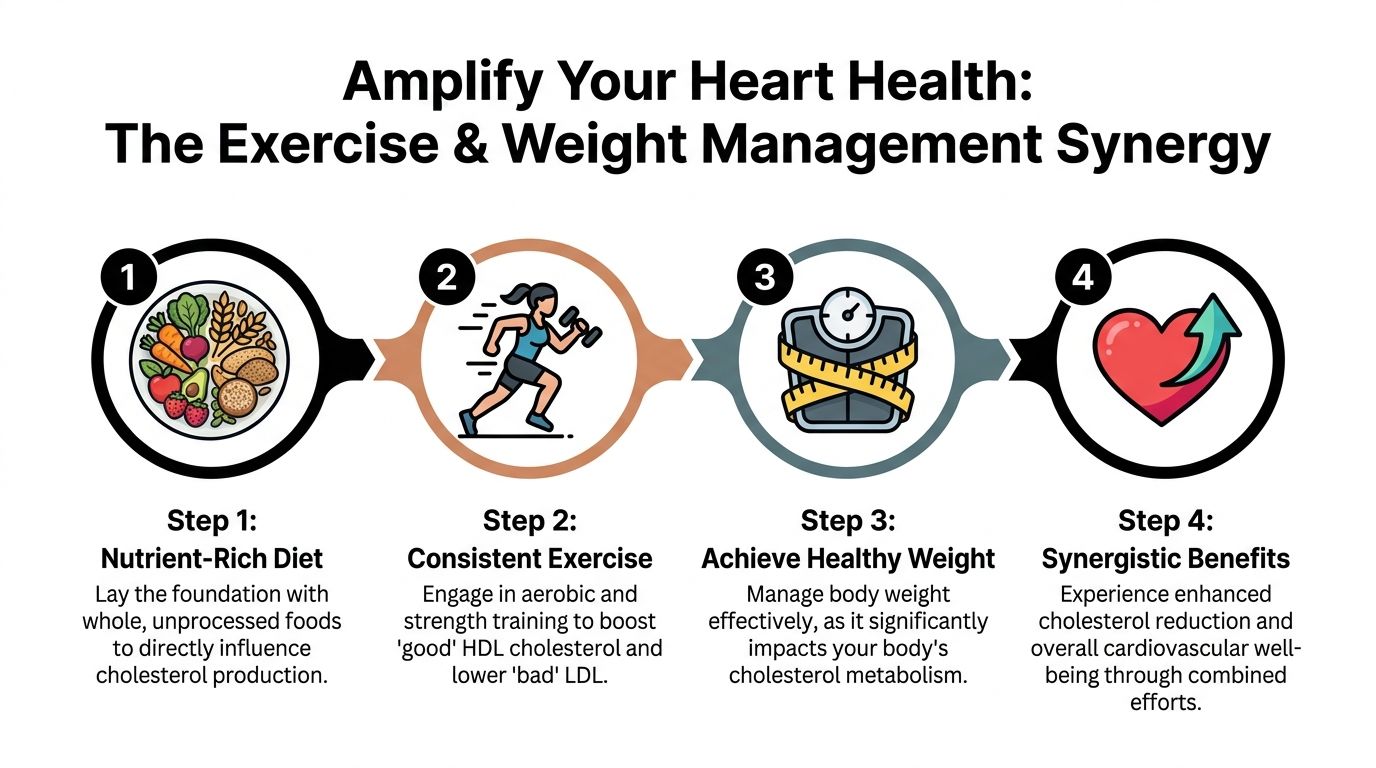
Diet starts the process. Exercise strengthens it. When patients ask whether walking is enough, the answer is often yes, if they do it consistently and pair it with nutrition changes.
Why movement works better with diet than by itself
One of the most useful findings in this area is that coupling a heart-healthy diet with a structured aerobic exercise program of 10 miles of walking or jogging per week can produce a 14% to 20% decrease in LDL cholesterol levels, while exercise in isolation had no significant effect on cholesterol measures in the same research, as reported in this review at PubMed Central.
That trade-off matters. Exercise still helps blood pressure, insulin sensitivity, fitness, mood, and weight control. But if you're focused on cholesterol, movement works best as an amplifier, not a substitute for diet.
A realistic weekly exercise prescription
For most adults, a useful starting plan looks like this:
- Aim for aerobic movement most days: Brisk walking is the easiest entry point.
- Use a weekly total: A common practical target is 150 minutes per week of moderate aerobic activity.
- Build gradually if you're sedentary: Start with shorter sessions and extend them over time.
- Connect movement to weight trend: If your weight is rising, cholesterol usually gets harder to control.
If weight loss is also part of your plan, some people do better when they combine walking, nutrition, and structured accountability. For readers exploring that angle, accelerate weight loss sustainably offers behavior-focused ideas that may help with consistency.
For people who need more support because appetite, insulin resistance, or obesity is part of the picture, it's reasonable to discuss medical options too. A broader review of oral Ozempic and weight loss support can help you prepare for that conversation.
Three ways to fit it into a busy schedule
Not everyone can carve out a full hour at once. These patterns are easier to sustain:
The workday split
Walk for 15 minutes before work, 15 minutes at lunch, and 15 minutes after dinner on several days each week.The commuter routine
Park farther away, take a brisk walk before heading inside, and add one longer weekend session.The weekend anchor
Use longer sessions on Saturday and Sunday, then shorter maintenance walks during the week.
If your calendar is crowded, schedule exercise the way you'd schedule a meeting. Otherwise it gets replaced by everything else.
Manage Stress and Sleep for Better Heart Health
Some cholesterol plans fail even when the grocery cart improves. The missing pieces are often stress and sleep.

Why stress changes cholesterol biology
Chronic stress raises cortisol, which impairs HDL function and can contribute to higher LDL levels. Studies on populations undergoing significant stress have shown this hormonal shift can increase LDL by 15% to 20%, according to Mayo Clinic's review on reducing cholesterol.
That doesn't mean every stressful week wrecks your labs. It does mean that ongoing pressure, poor recovery, emotional strain, and sleep loss can blunt the gains you expect from diet and exercise.
Simple ways to lower your stress load
You don't need a perfect meditation routine. You need a few techniques you can repeat.
- Use brief breathing sessions: Try slow breathing for a few minutes before meals or before bed.
- Lower decision fatigue: Repeat the same healthy breakfast and lunch on workdays.
- Walk after stressful events: A short walk after an argument, commute, or difficult call can interrupt stress eating.
- Create a shut-down ritual: Turn off work messages at a consistent time when possible.
A short guided practice can help some people settle their nervous system before bed or after a tense day:
Sleep habits that support better cholesterol control
Poor sleep often leads to worse food choices, more cravings, less exercise, and higher stress reactivity. Those patterns add up.
Try this checklist tonight:
- Keep a steady sleep window: Go to bed and wake up at about the same time.
- Protect the last hour before bed: Dim lights and reduce screens if you can.
- Avoid heavy late meals: Large, rich dinners can interfere with sleep quality.
- Make the room easier to sleep in: Cool, dark, and quiet usually works best.
Better sleep won't replace nutrition and exercise, but it often makes both easier to follow.
Targeted Supplements What Works and What to Watch For
The supplement aisle makes cholesterol care look simpler than it is. In practice, supplements are helpers, not the foundation.
Food first still wins
I push a food first, supplement second approach because whole foods solve more than one problem at once. Oats bring fiber. Beans improve satiety. Olive oil helps with fat quality. Nuts can replace processed snacks. A capsule rarely does all that.
Supplements make the most sense when they fill a gap that food alone isn't covering, or when a patient wants a structured add-on after the basics are already in place.
Supplements with a reasonable role
A few options deserve a closer look:
- Psyllium husk: This is one of the more practical ways to increase soluble fiber if you struggle to get enough from food.
- Green tea or green tea extract: Verified clinical data indicate that consuming 375 mg of green tea catechins daily, roughly 6 to 8 cups, can reduce LDL cholesterol by over 15%. The proposed mechanism is that compounds such as EGCG help block intestinal cholesterol absorption, based on GoodRx's review of the clinical evidence.
- Plant sterols and stanols: These can fit into a broader LDL-lowering plan because they target cholesterol absorption.
Where people get into trouble
The main problem isn't that supplements never help. It's that patients often start several at once, don't know which one is doing what, and assume "natural" means risk-free.
Fish oil is a good example of nuance. In the verified evidence, omega-3 sources can help with triglycerides, but some fish oil supplements may raise LDL. That's why supplement choice should match the problem you're trying to fix.
Talk with your doctor or pharmacist before starting any new cholesterol supplement, especially if you take blood pressure medication, blood thinners, diabetes medication, or several daily prescriptions.
Partnering with Your Doctor for Lasting Success
A common clinic visit goes like this. A patient has cleaned up their diet, started walking most days, added fiber, and expected their next cholesterol check to look much better. Sometimes it does. Sometimes the numbers barely move, or one part improves while another does not. That is the point where medical follow-up stops this from becoming guesswork.
Natural cholesterol improvement works better with a plan, a baseline, and a clear recheck date. In primary care, that usually means starting with a lipid panel, then reviewing the factors that change both cholesterol levels and overall risk: blood pressure, blood sugar, family history, weight trend, sleep, medications, tobacco exposure, and daily routine. Repeat testing shows whether your current plan is enough or whether it needs adjustment.
The goal is not just to lower a lab value. The goal is to lower cardiovascular risk in a way you can maintain.
That is also why personalized care matters. Two patients can have the same LDL level and need different plans. One may respond well to food changes, weight loss, and exercise alone. Another may have a strong family history, diabetes, thyroid disease, medication effects, or inherited cholesterol problems that call for a more aggressive approach. A good primary care clinician helps sort that out early, instead of letting you spend months doing the wrong things well.
For patients comparing practices, these questions to ask when choosing a new primary care physician can help you find someone who will track your numbers, explain your risk clearly, and adjust your plan over time.
Clinic support also makes the natural approach more practical. On-site labs make follow-up easier. Scheduled check-ins help catch patterns you may miss at home, such as rising triglycerides, weight regain, poor sleep, or medication side effects. If your numbers improve, you know what is working. If they do not, you can change one variable at a time instead of starting over.
Red flags that deserve medical attention
High cholesterol usually causes no symptoms, which is why people put it off. These situations deserve prompt review:
- Chest discomfort or shortness of breath: Do not assume it is stress, reflux, or being out of shape.
- A strong family history of early heart disease: This can shift the treatment plan quickly.
- Diabetes, high blood pressure, or kidney disease: These conditions raise risk and affect how cholesterol should be treated.
- No improvement despite strong habits: That may point to genetics, thyroid problems, medication effects, or a plan that needs to be refined.
FAQ
Can cholesterol really improve without medication?
Yes. Many patients improve cholesterol with food changes, regular activity, weight loss, better sleep, and stress management. The amount of change varies, and some people still need medication because their inherited risk is higher or their numbers stay high despite good habits.
What's the first food change to make?
Start with soluble fiber if your current intake is low. Oats, beans, lentils, apples, and pears are practical choices that can help lower cholesterol absorption and fit into an everyday meal plan.
Is exercise alone enough?
Usually not. Exercise helps with triglycerides, insulin resistance, weight, blood pressure, and overall heart health, but cholesterol usually improves more when exercise and diet change together.
Are supplements necessary?
Usually not at the start. Supplements can play a supporting role, but they should match the problem you are trying to solve and your medication list. Food and consistent habits should do most of the work unless your clinician identifies a specific reason to add one.
If you want a structured plan with medical follow-up, Maryland Primary and Urgent Care offers adult primary care, on-site lab services, echocardiography, telemedicine, weight-loss support, and chronic disease management with Dr. Sherif Hassan. That makes it easier to build a natural cholesterol plan, monitor your progress, and adjust early if your numbers are not moving the way they should.